Pool Renovation vs Pool Resurfacing: What Homeowners Need to Know

August 3, 2026

Share this article

Many Perth homeowners are unsure whether they need a pool renovation or simply a pool resurfacing. Both services restore a tired pool, but they address different problems and involve different scopes of work.

What Is Pool Resurfacing?

Pool resurfacing renews the interior surface of your pool. When a fibreglass or concrete shell starts to show fading, chalking, staining, or minor surface wear, resurfacing restores it to a clean, smooth finish. The existing structure stays in place and a new coating is applied over the prepared surface.


Perth's harsh UV conditions and hot summers accelerate surface wear, particularly on older fibreglass pools. Many pools installed from the 1970s onward may have never been professionally resurfaced.


Resurfacing suits pools where:


  • The structure is sound with no significant cracking or leaking.
  • The surface is faded, chalky, or stained but otherwise intact.
  • Skimmer boxes, lighting, and fittings are still in good working order. 

What Is Pool Renovation?

A pool renovation is a broader scope of work. It may include resurfacing the interior, but also covers repairs or upgrades to surrounding components and fittings. Typical work includes replacing skimmer boxes, upgrading underwater lighting, renewing waterline tiles, addressing coping, and restoring anti-slip surfaces or handrails.


Renovation makes sense when a pool has aged across multiple areas at once. Addressing everything in a single project reduces downtime and delivers a result that looks and performs like a new pool.


Renovation tends to be the right choice when:


  • Multiple components need attention at the same time.
  • The coping, tiles, or fittings are damaged or outdated.
  • The homeowner wants a complete cosmetic transformation.
  • Safety features such as handrails or anti-slip surfaces need upgrading. 

Which Do You Need?

If the shell surface is the only concern, resurfacing may be all that is required. If the pool has multiple worn or failing components, a full renovation is likely the more practical and cost-effective path.


Inspect your pool systematically. Check the surface finish, then the skimmer box, waterline tiles, coping, lights, and safety fittings. If most items are sound, resurfacing may be sufficient. If several areas need attention, a full renovation will deliver better long-term value.

  • Does Pool Resurfacing Include Repairs to Fittings or Tiles?

    No. Resurfacing covers only the interior shell surface. Skimmer boxes, tiles, lighting, and coping are not included.

  • How Long Does Each Service Usually Take?

    Resurfacing is the faster option. A full renovation takes longer depending on the number of components involved.

  • Does Pool Renovation Add Value to a Perth Home?

    Yes. A clean, functional pool improves property presentation and appeal, particularly in Perth's outdoor-focused lifestyle suburbs.

Ready to Restore Your Pool?

Perth Pool Reborn specialises in fibreglass pool renovation and resurfacing across Perth, WA. Every project is personally overseen by the owners and backed by a 10-year manufacturer product warranty. Contact us today to request a free quote, or find out more about Perth Pool Reborn on Google.

Recent Posts

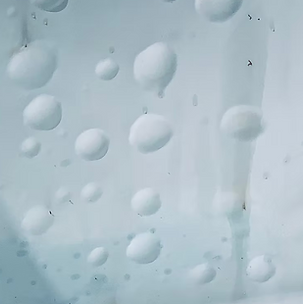
Water droplets on a pale blue glass surface, with blurred shapes behind it
June 9, 2026
Osmosis blisters are one of the main signs that a pool resurfacing may be required. They occur when the gelcoat becomes porous over time, allowing water to penetrate through the surface and become trapped within the fibreglass laminate beneath. As pressure builds, blisters begin to form on the pool surface. If left untreated, osmosis can eventually lead to further deterioration of the laminate and compromise the long-term integrity of the pool shell. To properly repair these areas, the affected blisters must be ground out and all weakened or contaminated fibreglass removed. The damaged sections are then rebuilt using resin and reinforced with new fibreglass matting before the surface is refinished.