
Fibreglass vs Concrete vs Vinyl Liner: Which Pool Surface Is Best for Perth Homes?

August 10, 2026

Share this article

If you're renovating an older pool, you'll eventually face this question: should you stick with what you've got, or convert to a different surface entirely? Here's how the three main pool surface types stack up for Perth's climate, water conditions, and long-term running costs.

Concrete Pools

Concrete (also called plaster or gunite) pools are common across older Perth homes, particularly those built before the 2000s. They offer flexibility in shape and finish, but come with trade-offs:


  • **Lifespan:** typically 10–15 years before resurfacing is needed
  • **Maintenance:** porous surface means more algae growth and higher chemical use
  • **Common issues:** cracking, staining, and rough or pitted texture over time
  • **Perth-specific factor:** WA's intense summer UV and often harsh bore water can accelerate surface wear and staining on concrete pools compared to milder climates

Fibreglass Pools (and Fibreglass Conversions)

Fibreglass is increasingly the go-to choice for Perth homeowners converting an older concrete or liner pool, largely because of its durability:


  • **Lifespan:** a properly applied fibreglass coating can last 15–25+ years
  • **Maintenance:** non-porous surface resists algae and staining, meaning fewer chemicals and less scrubbing
  • **Common issues:** rare once installed correctly, though older or poorly-installed fibreglass can develop osmosis blisters over time
  • **Perth-specific factor:** a quality UV-resistant coating (like Allnex Flowcoat) is important here — Perth's summer sun is harsher than in most Australian capitals, and lower-grade coatings fade faster

Vinyl Liner Pools

Less common in newer Perth builds, but still present in a lot of older properties:


  • **Lifespan:** liners typically need replacing every 7–10 years
  • **Maintenance:** liners can wrinkle, fade, and are prone to punctures or tears
  • **Common issues:** leaks at seams and fittings, and a "give" underfoot that some owners find unpleasant
  • **Why convert:** many liner pool owners eventually convert to fibreglass to eliminate the recurring replacement cost and get a smoother, more solid-feeling surface permanently
Feature Concrete Fibreglass Vinyl Liner
Lifespan 10–15 years 15–25+ years 7–10 years
Algae & Staining Resistance Low (porous) High (non-porous) Moderate
Chemical Use Higher Lower Moderate
Feel Underfoot Can be rough Smooth Soft, can wrinkle
Best For Custom shapes & finishes Long-term, low maintenance Rarely recommended for new installs

Which Should You Choose?

If you already have a concrete or vinyl liner pool showing signs of wear, converting to fibreglass is usually the most cost-effective long-term decision for WA conditions — it reduces both the frequency of future work and your ongoing chemical/maintenance costs. If your existing fibreglass pool just needs a refresh, a straightforward resurface (rather than a full conversion) will usually do the job.

Not Sure Which Applies to Your Pool?

Every pool and every backyard is different. Book a free on-site assessment and we'll tell you honestly whether resurfacing or a full conversion is the right move for your pool and budget.

Recent Posts

Pool Resurfacing Cost in Perth
August 10, 2026
See real 2026 pricing for pool resurfacing in Perth — fibreglass, concrete and epoxy. Learn what affects cost and get a free on-site quote.
August 3, 2026
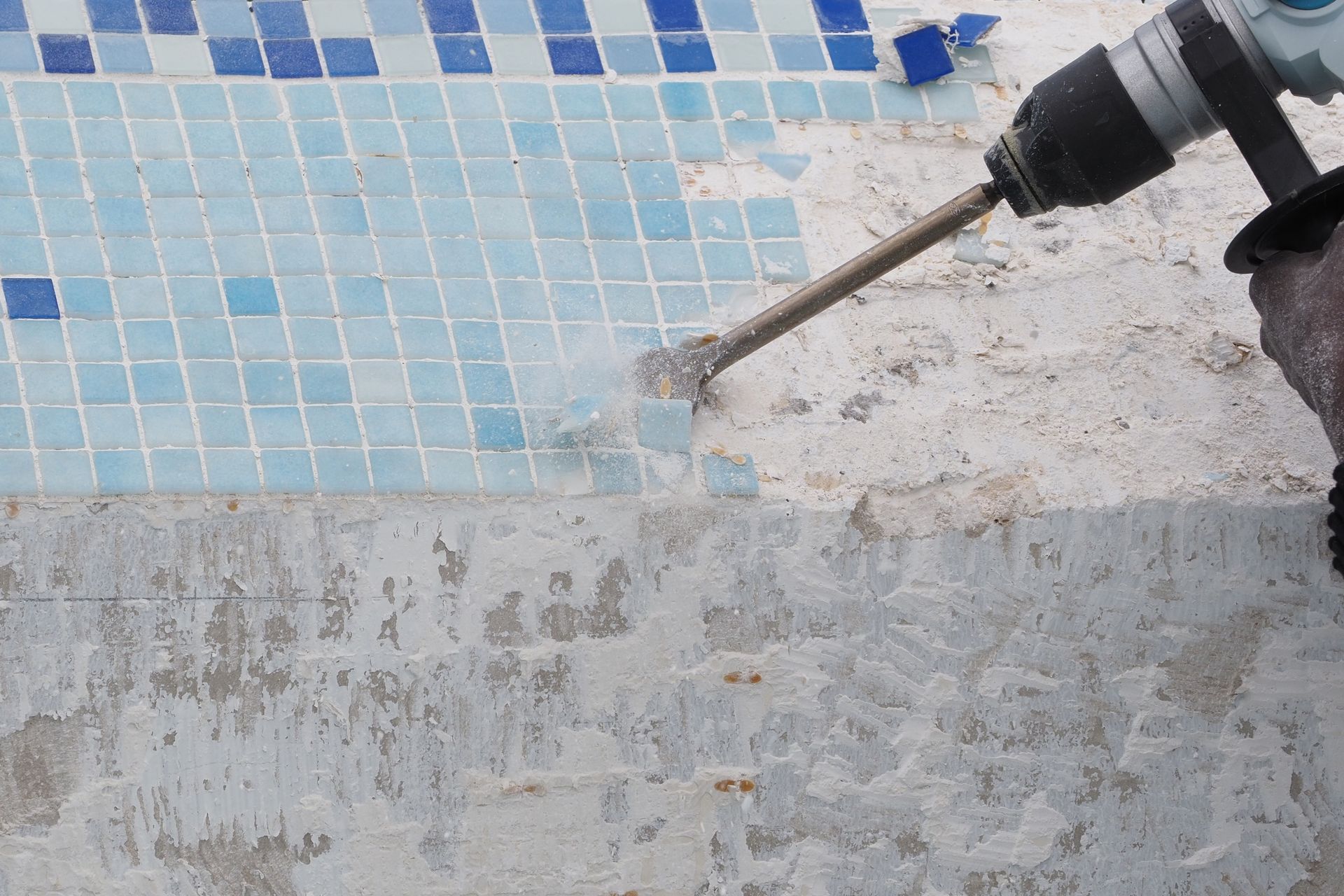
Many Perth homeowners are unsure whether they need a pool renovation or simply a pool resurfacing. Both services restore a tired pool, but they address different problems and involve different scopes of work.
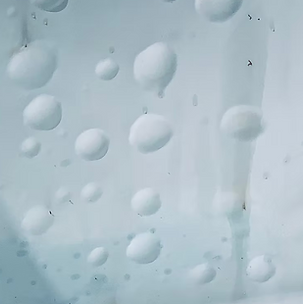
Water droplets on a pale blue glass surface, with blurred shapes behind it
June 9, 2026
Osmosis blisters are one of the main signs that a pool resurfacing may be required. They occur when the gelcoat becomes porous over time, allowing water to penetrate through the surface and become trapped within the fibreglass laminate beneath. As pressure builds, blisters begin to form on the pool surface. If left untreated, osmosis can eventually lead to further deterioration of the laminate and compromise the long-term integrity of the pool shell. To properly repair these areas, the affected blisters must be ground out and all weakened or contaminated fibreglass removed. The damaged sections are then rebuilt using resin and reinforced with new fibreglass matting before the surface is refinished.