Pool Repair: 7 Warning Signs Your Pool Needs Attention Before It Gets Worse
Every Perth pool owner should know the warning signs that point to the need for pool repair before small problems turn into costly damage. The hot Western Australian climate, harsh UV exposure, and hard water common across suburbs from Joondalup to Fremantle can accelerate wear on both fibreglass and concrete pools. Catching issues early can save significant time, money, and stress. This article covers seven key signs that your pool may need professional attention sooner rather than later.
1. Visible Surface Cracks or Crazing
Cracks in your pool shell are a clear signal that something needs attention. Small surface cracks, sometimes called crazing, can appear in concrete pools as the material ages and expands under Perth's summer heat. While some fine surface crazing may be cosmetic, deeper or growing cracks can allow water to seep into the shell and cause structural damage over time. If you notice cracks spreading or water loss increasing, it may be time to seek a professional assessment.
2. Fading, Staining, or Discolouration
A pool surface that has lost its colour or developed patchy staining is not just an eyesore. Fading and discolouration in fibreglass pools often indicate the gelcoat is breaking down under UV exposure. Concrete pools can develop algae staining, mineral deposits, and iron-oxide discolouration from Perth's naturally hard water. These surface changes are often the first visible sign that pool repair or resurfacing may be approaching.
3. Rough or Chalky Surfaces
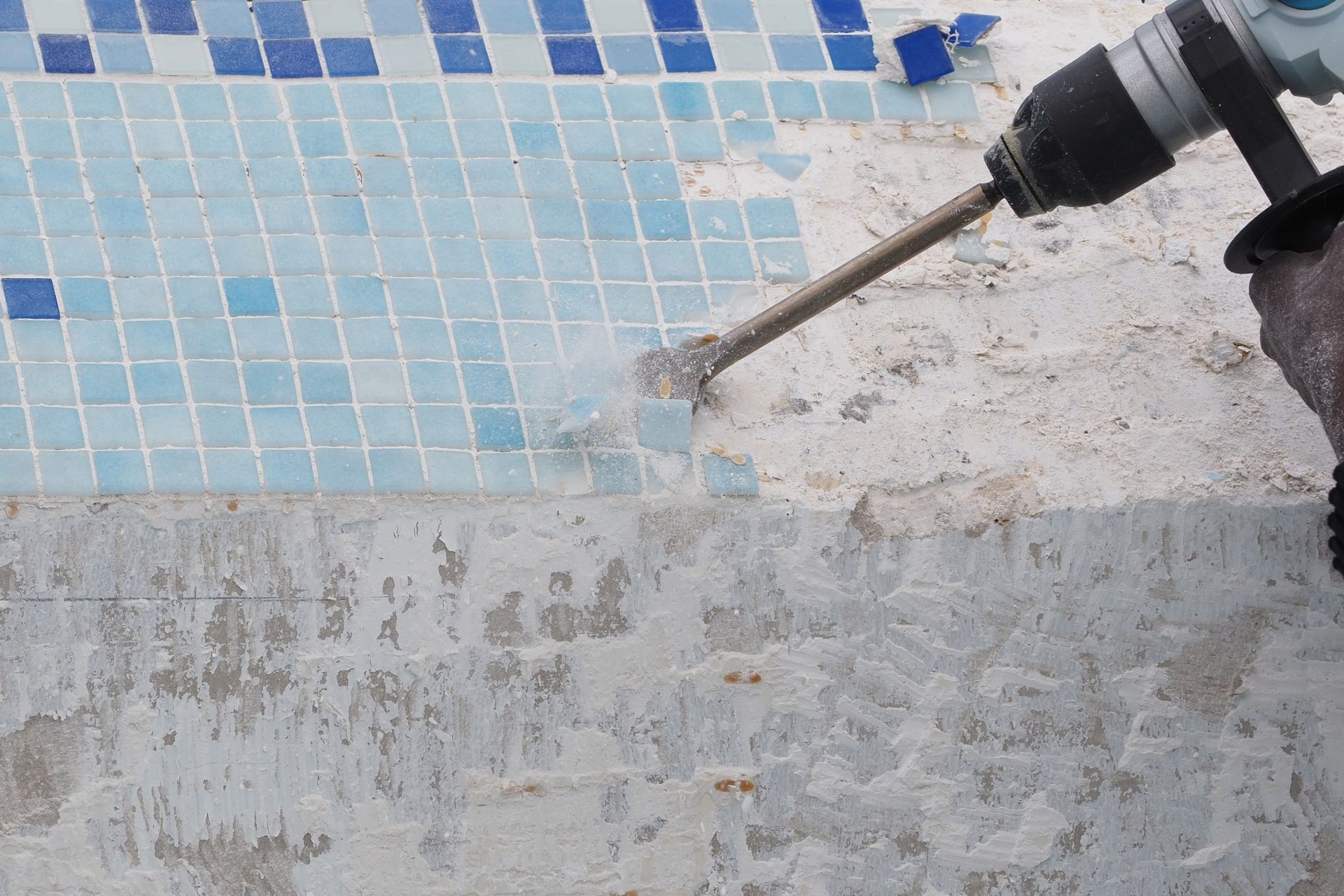
A smooth pool surface should feel comfortable underfoot and to the touch. When a fibreglass pool begins to chalk or feel rough and abrasive, the protective gelcoat layer is likely deteriorating. Rough concrete surfaces can harbour algae, scratch swimmers, and make pool maintenance more demanding. This is one of the most common triggers for resurfacing work across Perth, WA, particularly in older pools that have never been professionally treated.
4. Osmotic Blistering on Fibreglass Pools
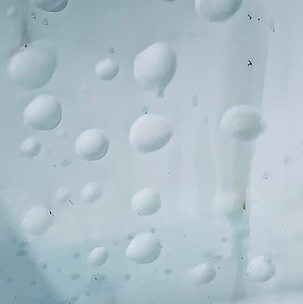
Osmotic blisters are small, bubble-like bumps that can appear beneath the surface of a fibreglass pool. They form when water penetrates through a porous or degraded gelcoat and becomes trapped within the fibreglass laminate. Left untreated, blistering can spread across the shell and compromise the integrity of the surface. This type of damage generally requires professional resurfacing rather than a simple patch, making early detection important.
5. Unexplained Water Loss
Losing more water than normal evaporation would account for may point to a leak. Perth summers are hot and evaporation is real, but if you are topping up your pool frequently, it is worth investigating. A simple bucket test can help you distinguish between evaporation and a possible leak. Leaks that stem from surface deterioration can often be addressed through resurfacing, while more serious structural leaks may need a specialist structural assessment first.
6. Constantly Unbalanced Water Chemistry
A well-maintained pool surface helps stabilise water chemistry. When surfaces become porous, rough, or degraded, they can make it harder to keep chemical levels balanced. If you are adding more chemicals than usual and still struggling to maintain clarity and pH, the pool surface itself may be part of the problem. Concrete pools in particular can leach calcium over time, affecting the water and driving up chemical usage.
What Should Perth Homeowners Do When They Notice These Signs?
Acting early is the most effective approach to pool repair in Perth. The longer surface damage is left unaddressed, the greater the risk it becomes structural rather than cosmetic. A professional on-site assessment is the best way to determine whether your pool needs resurfacing, a fibreglass conversion, or another form of renovation. Waiting until the problem worsens often increases both the complexity and cost of the work required.
7. An Outdated or Tired Overall Appearance
Sometimes the clearest sign is simply that a pool looks old and uninviting. Pools installed from the 1970s through to the 1990s are common across Perth suburbs and many have never been professionally resurfaced. A pool that looks dull, dated, or difficult to keep clean despite regular maintenance may simply have reached the natural end of its surface life. Refreshing the surface can restore its appearance, improve functionality, and add value to the property.
How Do I Know if My Pool Needs Resurfacing or Full Replacement?
Most pools with surface wear do not need full replacement. If the underlying shell is structurally sound, a professional resurfacing or fibreglass conversion can restore the pool to like-new condition, without the need for full pool repair. A qualified specialist can assess the shell and recommend the most appropriate solution.
Is Pool Surface Damage Covered by Home Insurance?
Home insurance policies vary significantly, and surface deterioration from normal wear is generally not covered. Sudden structural damage from events like subsidence may attract a claim in some cases. Always check your policy and speak with your insurer directly. A professional assessment report can support any insurance enquiry you may need to make.
Get Your Pool Assessed Before Problems Get Worse
Perth Pool Reborn specialises in resurfacing and converting fibreglass and concrete pools across Perth, WA, helping homeowners address the exact warning signs covered in this article. Every assessment is conducted in person by the business owners, so you receive expert advice without any obligation. If your pool is showing any of these signs, do not wait for the damage to deepen. Request a free on-site quote today and get a clear picture of what your pool needs. Call 0426 493 922 to speak with the team directly, or find Perth Pool Reborn on Google to read reviews and learn more.
Recent Posts